
Farm costs and returns
Understand fixed and variable costs, gross margins and the difference between revenue and profit.
A crop can grow well and still be difficult to sell profitably. Agriculture economics helps explain why. It looks at the resources a farm uses, the risks it faces and the markets that connect growers with buyers.
Explore the economics of production, farm budgeting, agricultural marketing and rural institutions. The subject encourages you to ask practical questions: what does a decision cost, who benefits from it, and what might happen if prices or yields change? You do not need to see a farm as numbers alone; the purpose is to use numbers to understand real choices.
Understand fixed and variable costs, gross margins and the difference between revenue and profit.
Explore how supply, demand, seasonality and marketing channels influence agricultural prices.
Compare farm plans and consider how uncertain yields, prices and input costs affect decisions.
Study the roles of credit, cooperation and public policy in the agricultural economy.
These activities show how the subject connects to everyday agricultural questions.
List the inputs and expected returns for a crop or farm activity.
Use a small change in price, yield or cost to see how a decision might turn out differently.
Turn a table of figures into a clear recommendation, including the assumptions behind it.
The subject is relevant to agricultural marketing, farm business analysis, rural development and agribusiness support. Banking and policy roles may require additional qualifications or competitive selection. Strong analytical skills and the ability to explain a finding clearly are valuable across these paths.
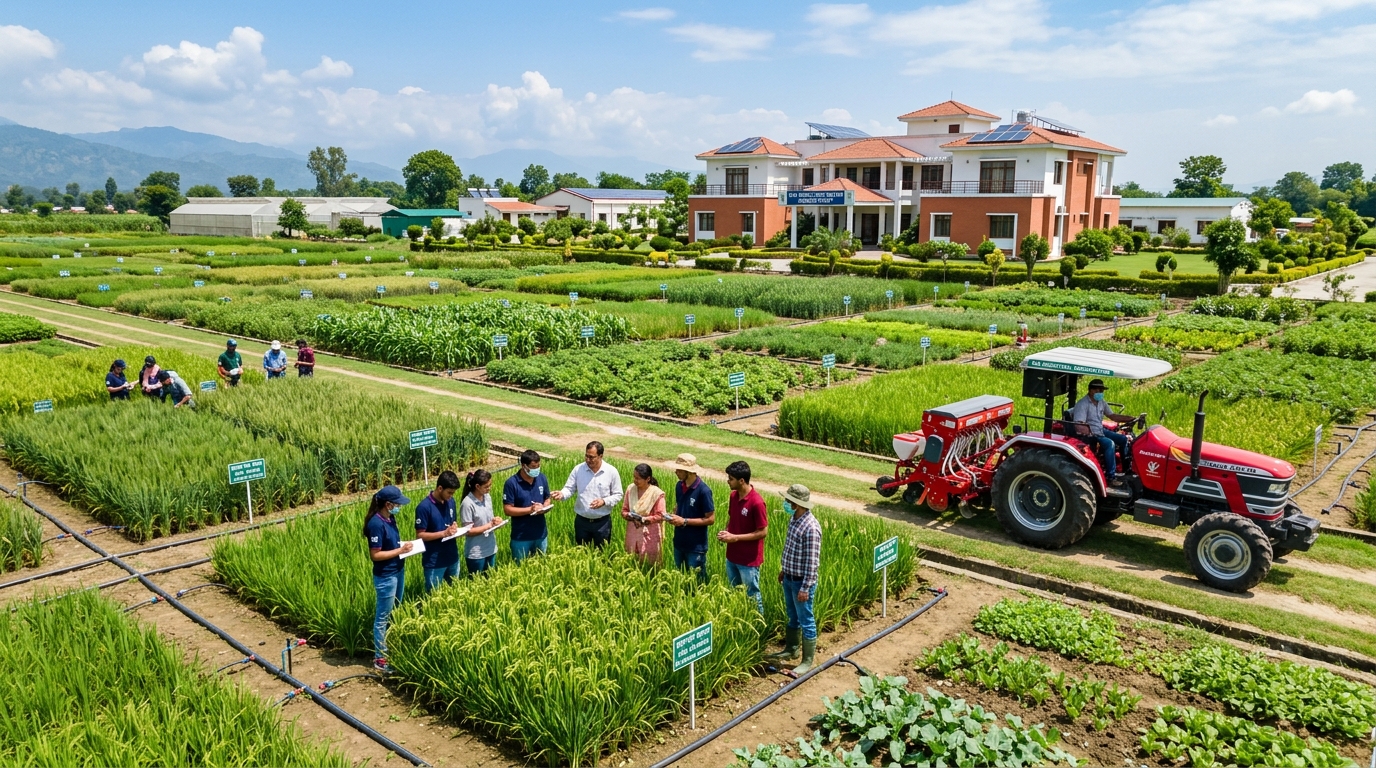
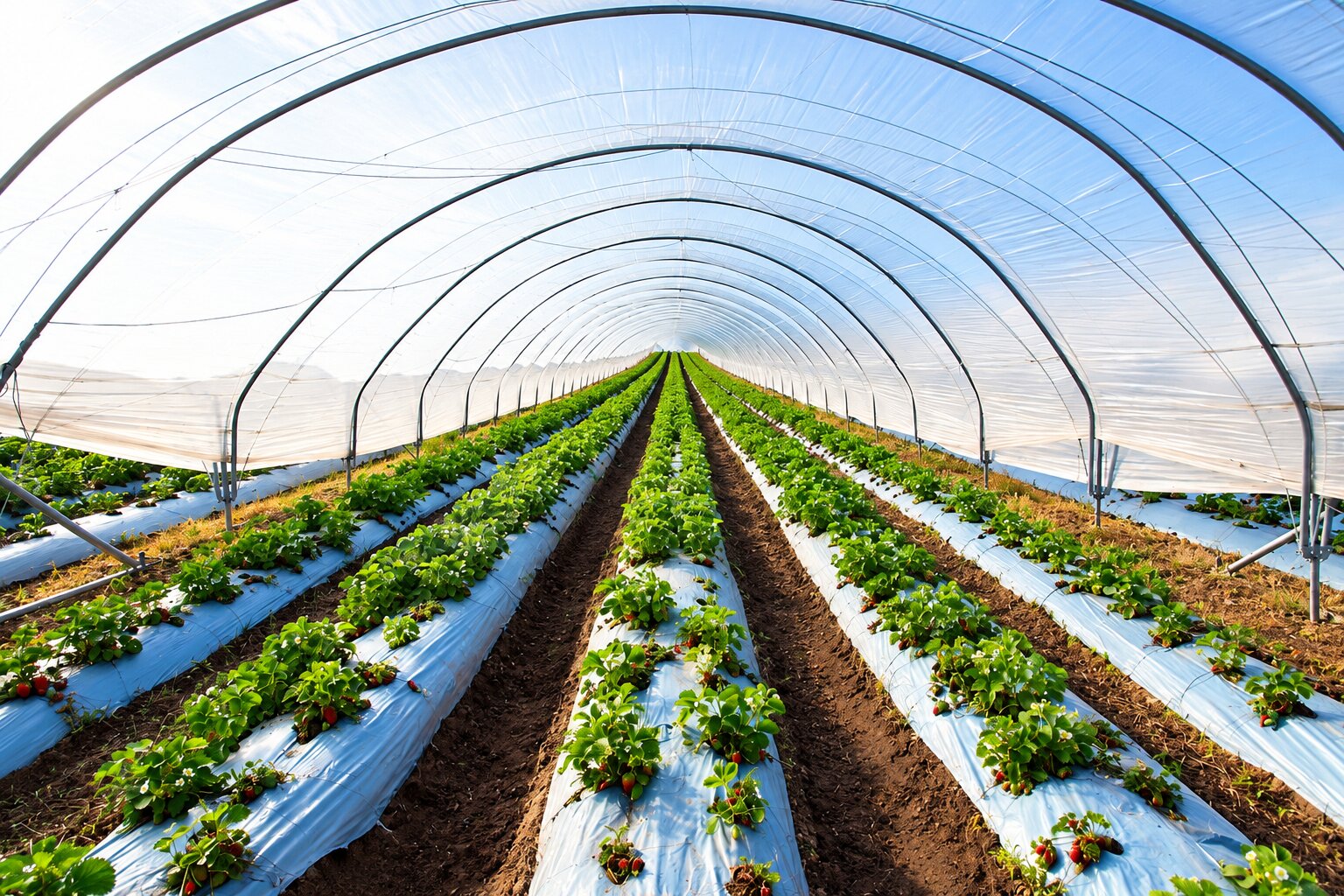
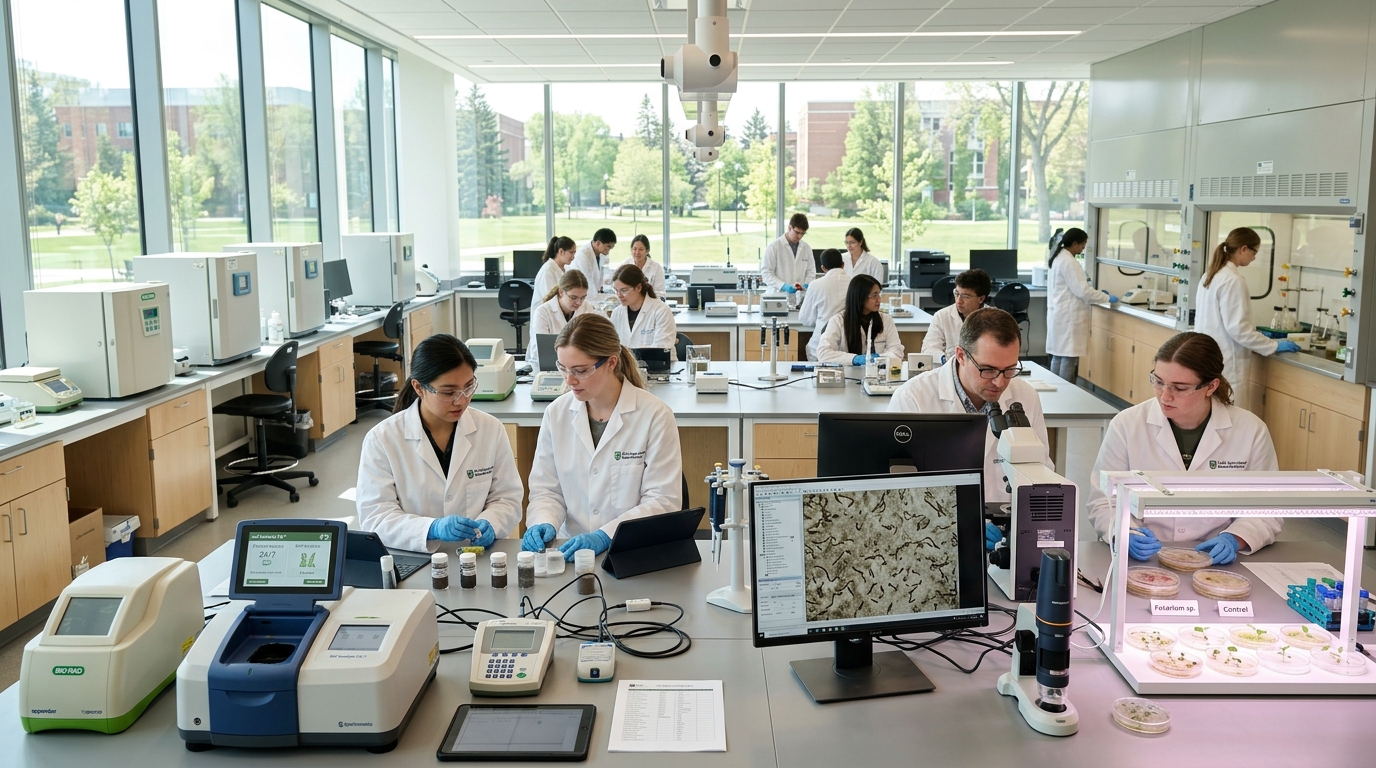
Illustrations of agricultural learning and practice. Select an image for a closer look.
For current faculty details, course options and admission information, get in touch with the Faculty of Agriculture.